

Therapy for Anxiety & Depression
A Depth-Oriented, Embodied Approach to What Feels Heavy or Overwhelming
Dr. Scott Gordon • Clinical Psychologist
In-Person psychotherapy in Berkeley, California.
Virtual services available statewide.


A Depth-Oriented, Embodied Approach to What Feels Heavy or Overwhelming
Anxiety and depression are among the most common reasons people seek therapy, often pointing to experiences that run deeper than symptoms alone.
Anxiety may show up as restlessness, chronic worry, tension in the body, or a sense of constantly needing to stay ahead of what might happen next.
Depression may feel quieter, but heavier, often accompanied by low energy, numbness, withdrawal, or a loss of meaning that is difficult to explain.
In my work using Embodied Depth Psychotherapy, we approach anxiety and depression as meaningful experiences shaped by personal history, relationships, and the ways we’ve learned to adapt. Relief often arises naturally as greater awareness and integration takes hold.


When Anxiety or Depression Won’t Fit Neatly into a Box
Some clients arrive naming anxiety or depression. Others simply know that something feels different or off.
You may recognize yourself if:
Your mind feels busy or activated even during moments of rest
You function well externally but feel disconnected or exhausted internally
You feel emotionally affected by the needs, moods, or expectations of others.
Often, anxiety and depression are not isolated conditions. They are responses shaped by earlier experiences and unconscious patterns that continue to influence the present.
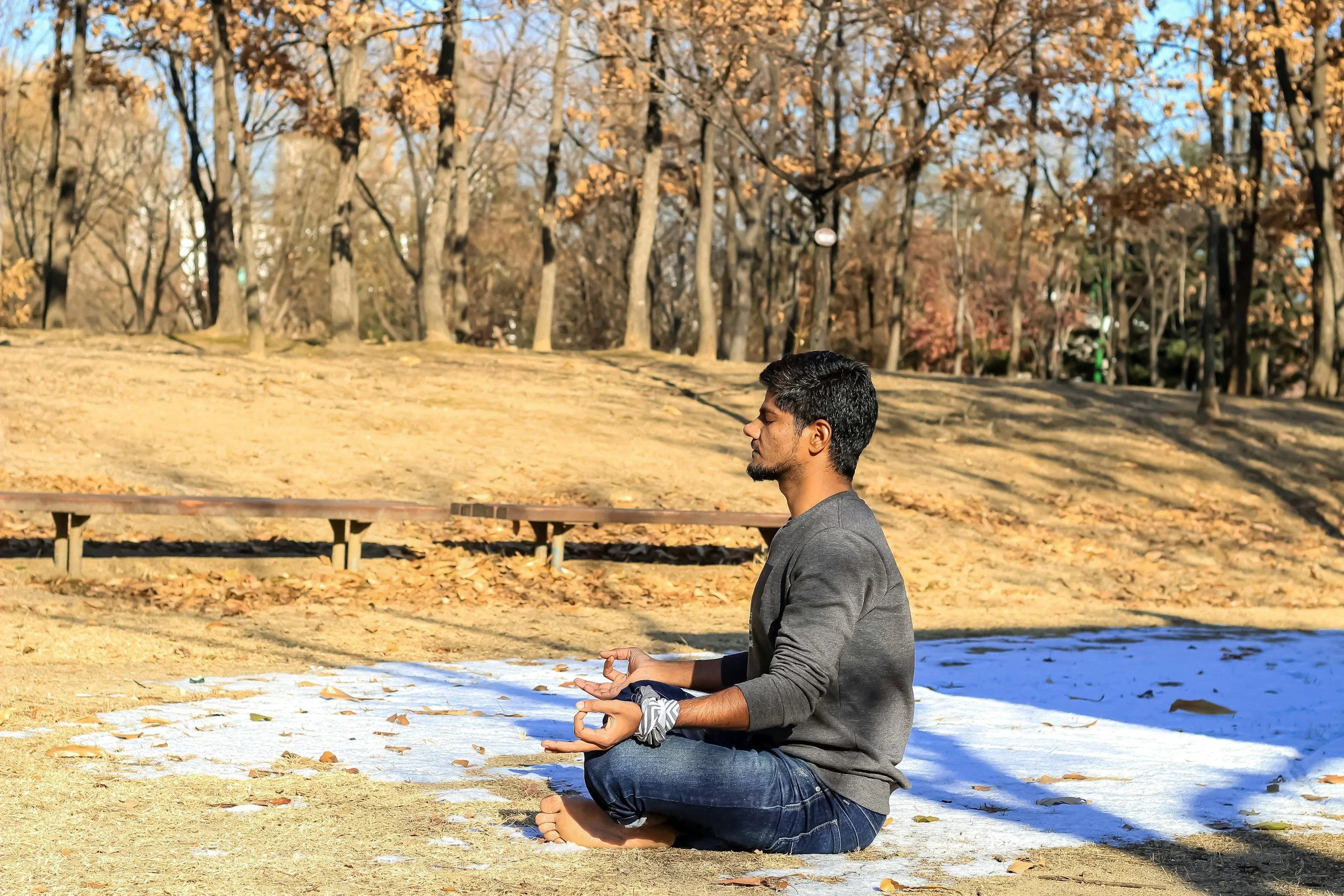
A Depth-Focused, Somatic Approach to Anxiety and Depression
Our work together integrates psychodynamic psychology, relational psychotherapy, and somatic awareness. Collectively, this practice becomes Embodied Depth Psychotherapy.
Rather than focusing solely on symptom reduction, therapy becomes a space to slow down and listen to what your experience is communicating.
Exploring Unconscious Patterns
Attending to the Experiences in the Body
Working with Thoughts, Beliefs & Sensations
Developing Greater Capacity to Feel
An Embodied Depth Psychotherapy approach allows change to emerge organically, often in ways that feel more sustainable and integrated than symptom-focused methods alone.

What Therapy Often Looks Like
Therapy sessions are relational and collaborative. Sometimes we talk, and at other times we pause and notice what is happening internally.
Over time, clients report:
A deeper understanding of how anxiety or depression developed
Reduced reactivity and increased presence
A renewed sense of connection to self, relationships, and meaning
Relief often comes from developing a more compassionate and informed relationship with oneself instead of pushing symptoms away.

Who Will Benefit Most from Embodied Depth Psychotherapy for Anxiety & Depression
This work often resonates with people who:
Feel that their anxiety or depression is connected to something deeper
Are open to exploring emotions, body awareness, and deeper meaning
Value a thoughtful, intentional therapeutic relationship
Clarity comes with the deeper work. Curiosity is enough to get started.
Common Questions About
Embodied Depth Psychotherapy for Anxiety & Depression
-
Therapy focuses less on labels and more on understanding your unique experience. I work with anxiety and depression both individually, together, and with other concerns. They often overlap and influence one another.
-
Yes. While those approaches can be helpful for some, my work is depth-oriented and experiential. Rather than focusing primarily on changing thoughts or behaviors, we explore the underlying emotional and relational patterns shaping your experience.
-
Rather than targeting symptoms directly, therapy focuses on understanding and integrating the experiences that contribute to anxiety or depression. For many, symptoms shift over time as self-understanding and capacity increase.
-
The hard answer is that you don’t need to know. Therapy is a space for discovery. Often, clarity emerges through careful attention to present-moment experience rather than analysis on its own.
-
This work can be helpful across a wide range of experiences. During an initial consultation, we can explore whether this approach feels like a good fit and discuss additional supports as needed.

About Scott Gordon, PsyD
Scott Gordon, PsyD, is a licensed clinical psychologist whose work is grounded in Embodied Depth Psychotherapy, integrating psychodynamic psychology, relational psychotherapy, and somatic awareness.
He holds extensive training in mindfulness-based and experiential approaches, including the Hakomi method. Dr. Gordon works with anxiety and depression as meaningful experiences shaped by history, relationships, and adaptation rather than problems to be eliminated.
His work prioritizes curiosity, emotional presence, and embodied awareness, supporting clients in developing a more compassionate and integrated relationship with themselves over time.